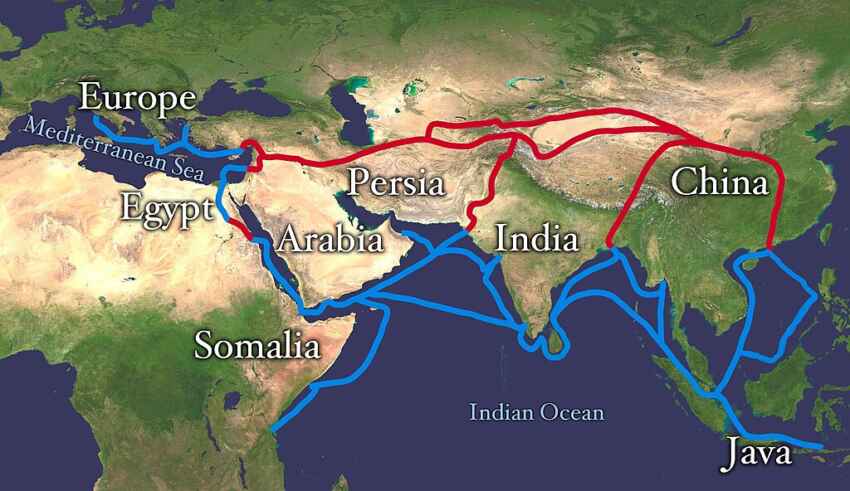
In recent decades, China has significantly increased its presence across Africa. From glistening new highways in Kenya to expansive mining projects in Zambia and loans funding everything from railways to stadiums, the Chinese footprint is unmistakable. This growing involvement has sparked a heated debate: is China fostering genuine development partnerships in Africa, or is it playing a new-age colonial game under the guise of economic cooperation?
In the last decades, critics have argued that China has become a new neocolonial power: although it does not hold colonies in the strict sense of the term, like imperial powers used to in the 19th and 20th century, China still dominate many of local economy spread around the globe, and have countries becoming heavily indebted to Beijing.
As for Africa, China is now its largest trading partner, with bilateral trade exceeding $250 billion, with the Belt and Road Initiative (BRI) central to this expansion. This influx of capital has helped address critical infrastructure gaps: roads, ports, energy facilities, and hospitals have emerged. However, Chinese financing is predominantly loan-based, and concerns about debt sustainability are mounting.
In particular, Western countries have raised concerns regarding the possibility of China using “debt-trap diplomacy” to push African countries into default and thereby gain leverage over them. The infamous case of Sri Lanka’s port of Hambantota has been frequently compared to the African situation, particularly with nations like Zambia. In 2017, the Sri Lankan government leased the port to a Chinese company to raise liquidity due to its debts to Beijing.
China denies these accusations, portraying itself as a development partner rather than a neocolonial force. Supporters argue that African nations willingly enter into these agreements and maintain agency in choosing their development path. Nonetheless, China is now present in 39 African countries, so it is undeniable the huge influence it has on the continent.
Like colonial powers of the past, China is extracting vast natural resources from Africa, mainly oil, minerals, and timber, often with little value addition occurring on the continent. Chinese companies frequently bring their own labour and materials, sidelining local workers and businesses. Infrastructure projects may improve connectivity, but without sustainable job creation or skills transfer, the long-term benefits to host nations are questionable. Furthermore, critics note a troubling asymmetry in power dynamics. African leaders, keen for investment, may overlook labour abuses, environmental degradation, or corruption linked to Chinese projects. In such cases, economic dependency can easily slip into political leverage.
However, casting China solely as a neocolonial actor risks denying African agency. Unlike the colonial era, African governments today are sovereign actors with the power to negotiate, reject, or reshape foreign involvement. Some are using Chinese partnerships to their advantage, leveraging competition between China and the West for better deals. This makes China neither the benevolent saviour nor the villainous colonizer it is often portrayed by the West. The challenge lies in how African nations can harness that engagement to foster inclusive, long-term development on their own terms.
Whether China’s deepening role in Africa represents a new form of colonialism depends less on Beijing’s intentions and more on how African governments manage the relationship. For now, the continent stands at a crossroads, where strategic thinking, transparency, and regional unity are essential to prioritize African countries’ agency.
By The European Institute for International Relations